Decoding Your Credit Report: Financial Health Session 2026

The upcoming educational session, Financial Health, is set to provide vital insights for individuals seeking to enhance their financial well-being. This event will offer a comprehensive overview of credit reports, their critical role in personal finance, and actionable strategies for effective management.
Attendees will gain a deeper understanding of how credit reports influence borrowing decisions, interest rates, and overall financial opportunities. The session aims to equip participants with the knowledge and tools necessary to navigate the financial landscape of 2026 with confidence and informed decision-making.
This is a crucial opportunity for anyone looking to proactively manage their credit and build a stronger financial future, ensuring they are prepared for upcoming economic shifts and personal financial goals.
Understanding Financial Health
Financial Health is quickly becoming a focal point for financial literacy advocates across the United States. This session, scheduled for early 2026, promises to demystify one of the most critical aspects of personal finance: the credit report. Understanding this document is not merely about knowing a score; it’s about grasping the narrative it tells lenders about your financial reliability.
The importance of this educational initiative cannot be overstated, especially as economic conditions evolve and lending standards adapt. Individuals equipped with a thorough understanding of their credit reports are better positioned to secure favorable loan terms, manage debt effectively, and make informed financial decisions. This proactive approach is essential for maintaining robust financial health.
This article will delve into what the educational session entails, why it is so pertinent for 2026, and how individuals can leverage the insights gained to bolster their financial standing. We will explore the key components of a credit report, common misconceptions, and practical steps for improvement, all within the context of the forthcoming session.
The Significance of Credit Reports in 2026
As we approach 2026, the role of credit reports in personal finance continues to expand, influencing not just loans and credit cards but also housing, insurance, and even employment opportunities.
The complexity of these reports often leaves many individuals feeling overwhelmed or uninformed about their contents and implications. This educational session aims to bridge that knowledge gap, providing clarity and actionable advice.
The financial landscape is ever-changing, with new regulations, data reporting methods, and scoring models frequently introduced. Staying current with these developments is paramount for anyone looking to protect and improve their financial health. The session will specifically address these evolving factors, ensuring participants receive up-to-date and relevant information.
Understanding your credit report is not a passive activity; it requires engagement and a willingness to learn the intricacies of financial data.
The Financial Health offers a structured environment to gain this essential expertise, empowering individuals to take control of their financial destinies.
Why 2026 is a Pivotal Year for Credit Education
The year 2026 is anticipated to bring several shifts in economic indicators and potentially new lending practices that could impact consumer credit. Proactive education ensures individuals are not caught off guard by these changes but are instead prepared to adapt and thrive. This foresight is a cornerstone of sound financial planning.
Technological advancements in data analytics also mean that credit reporting agencies are continually refining their methodologies, making it even more crucial for consumers to understand how their financial behaviors are translated into their credit profiles.
The session will highlight these modern approaches and their practical implications. This makes the Financial Health particularly timely.
- Anticipated changes in credit scoring algorithms
- Increased scrutiny on financial stability for major life events
- Emergence of new financial products and services requiring credit assessment
Key Components of Your Credit Report
A credit report is a detailed summary of your credit history, compiled by credit bureaus from information provided by lenders. It includes personal identification, credit accounts, public records, and inquiries. Each section plays a vital role in determining your overall creditworthiness, which lenders use to assess risk.
The educational session will meticulously break down each component, explaining what information is collected, how it’s used, and what impact it has on your credit score. This granular understanding is essential for identifying potential errors and strategizing for improvements. Participants in Financial Health will gain invaluable insights.
From payment history to the types of credit you hold, every detail contributes to your financial narrative. Grasping these elements is the first step toward effective credit management and achieving financial goals. The session aims to make this complex information accessible and understandable for all attendees.
Understanding Payment History and Amounts Owed
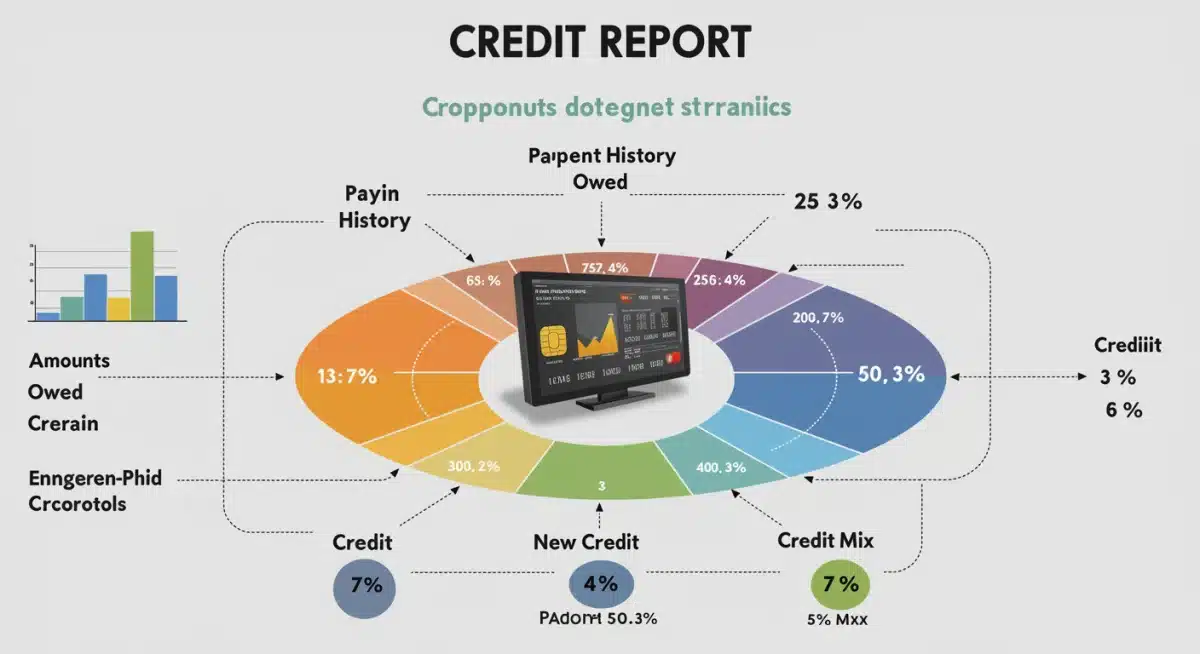
Payment history is arguably the most influential factor in your credit report, demonstrating your ability to pay debts on time. Late payments, even by a few days, can significantly impact your score and remain on your report for years. The session will emphasize the importance of timely payments and provide strategies for managing due dates.
Amounts owed, also known as credit utilization, refers to the percentage of your available credit that you are currently using. High utilization rates can signal financial distress to lenders, even if you pay on time.
The educational session will guide participants on optimal utilization strategies to maintain a healthy credit profile, a core topic in Financial Health.
- Importance of paying bills on time, every time
- Impact of credit utilization on credit scores
- Strategies for reducing credit card balances effectively
Accessing and Reviewing Your Credit Report
Regularly accessing and reviewing your credit report is a fundamental practice for financial health. Federal law grants you the right to a free credit report from each of the three major credit bureaus, Equifax, Experian, and TransUnion, once every 12 months. This allows for consistent monitoring of your financial data.
The upcoming educational session will provide clear instructions on how to obtain these reports and what to look for when reviewing them. Identifying inaccuracies, fraudulent activity, or outdated information is crucial for protecting your credit and overall financial security. This practical guidance is a key takeaway from Financial Health.
Many individuals overlook this critical step, only to discover issues when applying for a loan or new credit. Proactive review can prevent future complications and save considerable time and stress. The session aims to instill the habit of regular credit report scrutiny among participants.
Identifying and Disputing Errors
Despite the sophisticated systems in place, errors on credit reports are surprisingly common and can negatively affect your credit score.
These errors can range from incorrect personal information to accounts that do not belong to you, or even duplicate listings of the same debt. Knowing how to spot these discrepancies is vital.
The session will walk attendees through the process of disputing errors with credit bureaus and creditors, providing templates and best practices for effective communication. A successful dispute can lead to the removal of negative items, potentially boosting your credit score. This aspect of Financial Health is highly practical.
- Common types of credit report errors to look for
- Step-by-step guide to filing a dispute
- Understanding your rights under the Fair Credit Reporting Act (FCRA)
Strategies for Improving Your Credit Score
A higher credit score opens doors to better financial opportunities, from lower interest rates on mortgages and car loans to more favorable terms on credit cards. Improving your credit score is a long-term endeavor that requires consistent effort and strategic financial habits. The educational session will outline proven methods to achieve this.
These strategies include managing existing debts, avoiding unnecessary new credit applications, and diversifying your credit mix responsibly. Each action, no matter how small, contributes to building a stronger credit profile over time. The Financial Health is designed to offer a clear roadmap.
Participants will learn how to prioritize their financial actions to maximize positive impacts on their credit scores, transforming abstract financial concepts into tangible steps. This empowerment is central to the session’s objectives, fostering greater financial independence and stability.
Building and Rebuilding Credit Effectively
For those with limited credit history or those looking to rebuild after financial setbacks, specific strategies are needed. This includes securing a secured credit card, becoming an authorized user on another’s account, or obtaining a credit-builder loan. These tools can establish positive payment patterns and demonstrate creditworthiness.
The session will provide detailed guidance on these options, explaining their benefits and potential pitfalls.
It will also cover the importance of patience and persistence, as credit improvement is a gradual process. Learning to effectively build and rebuild credit is a core component of Financial Health.
- Options for establishing credit for the first time
- Steps to take for rebuilding damaged credit
- The role of responsible credit use in long-term financial health

Protecting Your Financial Identity
In an increasingly digital world, protecting your financial identity from fraud and theft is more critical than ever. Your credit report is a primary target for identity thieves, as it contains sensitive personal and financial information. The educational session will address the growing threats and provide robust preventative measures.
Understanding how to recognize the signs of identity theft, what steps to take if you suspect your information has been compromised, and how to maintain strong digital security practices are essential for safeguarding your financial future. This knowledge is invaluable for anyone attending Financial Health.
The session will cover the latest scams and security breaches, offering practical advice on how to monitor your accounts, set up fraud alerts, and freeze your credit when necessary. Proactive protection is always better than reactive recovery when it comes to identity theft.
Understanding Fraud Alerts and Credit Freezes
Fraud alerts and credit freezes are powerful tools available to consumers for protecting their credit reports from unauthorized access. A fraud alert warns creditors to take extra steps to verify your identity before extending new credit, while a credit freeze restricts access to your credit report entirely, making it nearly impossible for new credit accounts to be opened in your name.
The session will explain when and how to implement these protections, discussing their differences, benefits, and any associated costs or inconveniences.
Knowing these options empowers individuals to take decisive action against potential fraud. This is a vital discussion point within Financial Health.
- How fraud alerts work and when to use them
- The process of placing and lifting a credit freeze
- Best practices for ongoing monitoring of financial accounts
Future Trends in Credit Reporting
The landscape of credit reporting is not static; it is continually evolving with advancements in technology, changes in consumer behavior, and shifts in regulatory focus. Staying informed about these future trends is crucial for maintaining a forward-looking approach to financial health. The educational session will offer insights into what to expect in the coming years.
Discussions will include the potential integration of alternative data sources into credit scoring models, such as utility payments or rent history, which could broaden access to credit for many previously underserved populations. These innovations have significant implications for how creditworthiness is assessed. The Financial Health will explore these possibilities.
Understanding these emerging trends allows individuals to anticipate changes and adjust their financial strategies accordingly, ensuring they remain competitive and financially resilient. This forward-thinking perspective is a core benefit of participating in the session, preparing attendees for the financial future.
The Impact of AI and Machine Learning on Credit Scores
Artificial intelligence and machine learning are increasingly being used by credit bureaus and lenders to analyze vast amounts of data and predict credit risk with greater accuracy.
While these technologies promise more nuanced assessments, they also raise questions about transparency and bias. The session will explore these ethical and practical considerations.
Participants will learn how these advanced analytical methods might influence their credit scores and what steps they can take to ensure their financial data is accurately represented.
The goal is to demystify these complex technologies and their real-world impact. This is a cutting-edge topic for Financial Health.
- How AI is changing credit risk assessment
- Potential benefits and challenges of algorithmic scoring
- Strategies for consumers to adapt to new credit evaluation methods
| Key Point | Brief Description |
|---|---|
| Credit Report Importance | Crucial for loans, housing, and financial opportunities in 2026. |
| Key Components | Payment history, amounts owed, credit mix, inquiries all impact scores. |
| Error Resolution | Regular review and dispute of inaccuracies are essential for accuracy. |
| Future Trends | AI and alternative data are shaping credit assessment in upcoming years. |
Frequently Asked Questions About Credit Reports
The primary goal is to empower individuals with a comprehensive understanding of their credit reports. This includes identifying key components, recognizing potential errors, and learning strategies to improve and maintain a healthy credit score, crucial for financial well-being in 2026 and beyond.
You should check your credit report from each of the three major bureaus at least once every 12 months, as legally allowed. Regular checks help you monitor for inaccuracies, fraudulent activity, and ensure all reported information is current and correct, protecting your financial identity.
Effective ways include consistently paying bills on time, reducing credit card balances to lower utilization rates, avoiding new unnecessary credit applications, and resolving any negative marks or errors on your report. Patience and consistent financial discipline are key to long-term improvement.
Yes, the session is specifically designed to cover anticipated changes in credit scoring models, new lending practices, and the impact of emerging technologies like AI and machine learning on credit assessments. This ensures participants receive the most current and relevant information for 2026.
By attending, you will gain the knowledge to make informed decisions regarding loans, mortgages, and credit products. Understanding your credit report empowers you to negotiate better terms, avoid predatory lending, and build a solid foundation for your overall financial health and future aspirations.
What this means
The upcoming Financial Health marks a proactive step towards greater financial literacy for individuals across the United States. This initiative underscores the evolving significance of credit reports in an increasingly complex financial ecosystem. Participants will gain not only theoretical knowledge but also practical tools to navigate their personal finances effectively.
It is imperative for individuals to engage with such educational opportunities to stay ahead of financial trends and protect their assets. The insights gained from this session will serve as a foundational element for making informed decisions regarding borrowing, saving, and investing. This proactive engagement is crucial for long-term financial stability.
As we move into 2026, the ability to interpret and manage one’s credit report will be a defining factor in accessing favorable financial products and achieving personal economic goals. This session is a vital resource in that journey, providing the clarity and direction needed to thrive financially.
